Mon – Sun: 11:00 AM – 8:00 PM

You know the routine. A little extra foundation before stepping out. Concealer layered carefully over the cheeks. Positioning yourself away from certain lighting. Dreading candid photos at weddings. Pigmentation has a quiet way of creeping into your confidence long before it even fully shows up on your skin.
If you've tried fairness creams, vitamin C serums, and home remedies, and nothing has made a real or lasting difference, it isn't because your skin can't be treated. It's because pigmentation is not one single thing. It has different causes, different depths, and it needs a very different approach depending on which type you have and what's driving it.
At Refine Skin Clinic, Dr. Hansa Srivastava begins every pigmentation consultation with one essential question: why is this happening? The answer to that question shapes everything that follows.
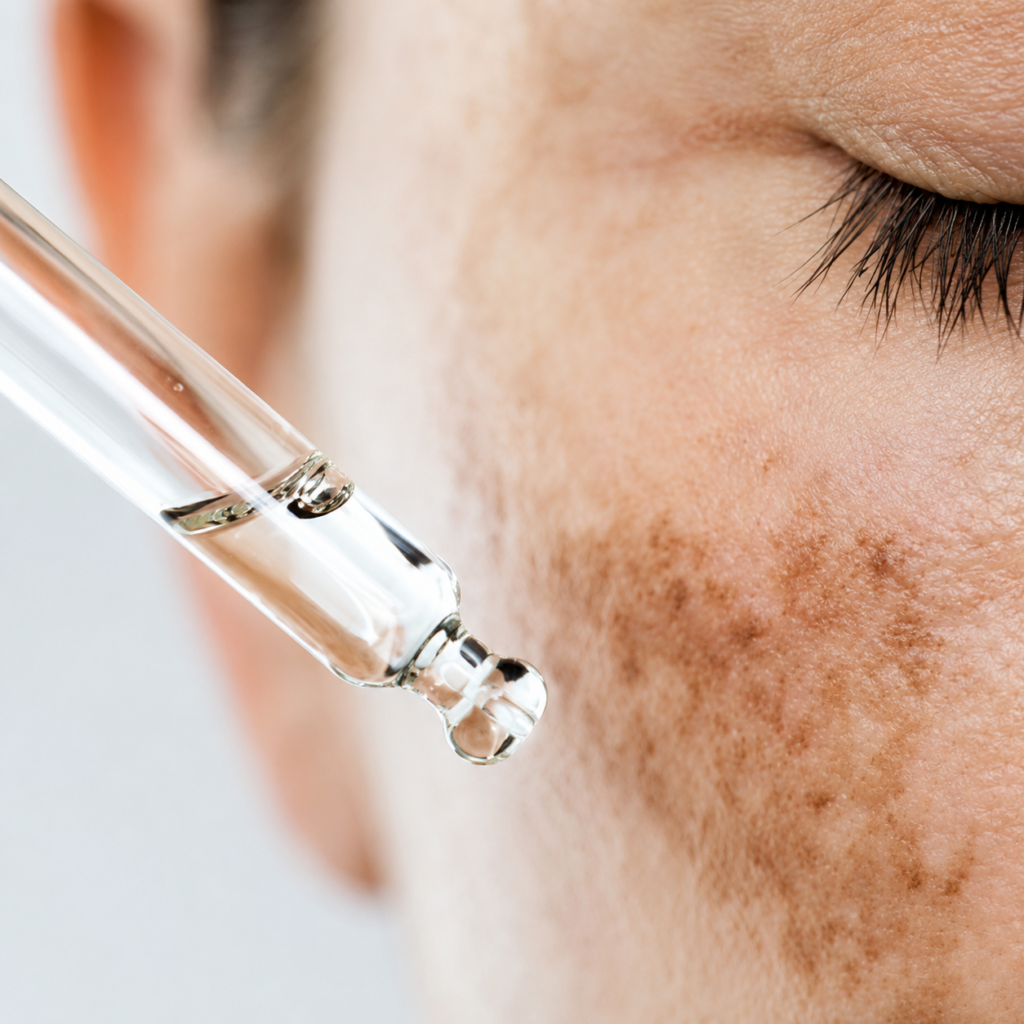
Pigmentation occurs when the skin produces excess melanin, the natural pigment that gives skin its colour. But the reason for that overproduction varies significantly from person to person, and from one type of pigmentation to another.
Controlled exfoliation that brings pigmented surface cells to the top and removes them. Effective for superficial to medium-depth hyperpigmentation.
Targets melanin deposits specifically without damaging surrounding skin tissue. Particularly effective for sun spots, freckles, and certain subtypes of melasma.
A series of low-fluence laser sessions that progressively reduce pigmentation while improving overall skin clarity and texture.
Prescription-grade depigmenting agents used alongside in-clinic treatments to sustain results between sessions.
For deeper or more stubborn pigmentation, Dr. Hansa designs multi-step programmes combining laser, peels, and topicals in a structured sequence.
Melasma is one of the most challenging pigmentation conditions to manage, and one of the most common among women across India. It is chronic in nature, which means it can recur even after successful treatment, particularly with sun exposure or hormonal fluctuations.
At Refine Skin Clinic, melasma is treated with a structured, multi-phase approach. The goal is not simply to fade it temporarily; it's to address the triggers, reduce recurrence, and give you a maintenance strategy that keeps it under control long-term. This includes personalized sun protection guidance, hormonal assessment where relevant, and a maintenance skincare protocol designed specifically for your skin.
<p>This depends on the type, depth, and severity of your pigmentation. Superficial sun spots may respond in 2-3 chemical peel sessions. Melasma typically requires a longer protocol, 6 to 10 sessions combined with consistent home maintenance. Dr. Hansa gives you a realistic timeline during your consultation.</p>
<p>This is a very important and valid concern. Some aggressive laser treatments, used incorrectly or at too high an energy, can trigger post-inflammatory hyperpigmentation in darker skin tones, essentially causing new pigmentation. At Refine Skin Clinic, all protocols are calibrated specifically for Indian skin to prevent this.</p>
<p>Sunscreen is absolutely non-negotiable, but it manages pigmentation, it doesn't treat existing discolouration. If pigmentation is already present, clinical treatments are needed to address it. Sunscreen then protects and maintains those results.</p>
<p>Most pigmentation types can be significantly reduced, often by 70-90%. Complete elimination depends on the type and your skin's individual response. Melasma, being hormonally driven, tends to require ongoing management rather than a permanent one-time fix.</p>